Cue sticks are the heartbeat of pool, snooker, and billiards, blending craftsmanship with precision to transform novice shots into pro-level mastery. This comprehensive guide dives deep into the world of cue sticks, optimized for SEO with the high-potential keyword “cue stick” (linked to Semrush US data for March 2026). Explore the anatomy of elite cues—from maple shafts and leather tips to carbon fiber innovations—alongside a rich history from 17th-century maces to modern low-deflection designs. Discover top 2026 brands like Predator, McDermott, and Cuetec, with a comparison table of American pool, English, and snooker types. Get expert buying tips on weight, balance, and budget ($100 beginners to $1000+ customs), plus essential maintenance hacks to prevent warping and ensure longevity. Backed by market insights (US cue stick sector at $1.76B, growing 5% CAGR), FAQs, and a stunning, realistic image, this post ranks for “cue stick,” “best cue sticks,” and related terms, driving traffic for billiards enthusiasts.
What Sets Kentucky Sports Radio Apart
What Is a Cue Stick?
A cue stick, or pool cue, is a tapered wooden rod measuring 57-59 inches long, designed to strike the cue ball in games like pool and snooker. Crafted for balance and grip, it evolved from early maces used in 17th-century billiards to modern precision instruments by 1800. High-quality cues feature hardwoods like maple or ash, with some incorporating carbon fiber for durability.
Brief History of Cue Sticks
Cue sticks trace back to the 1620s, when billiards used maces with ports and pins; by 1670, players favored the thin end for shots. The straight, footless cue emerged around 1800, revolutionizing cue sports. Today, the US cue stick market grows steadily, valued at about $1.76 billion in 2024 with a 5.16% CAGR through 2035.
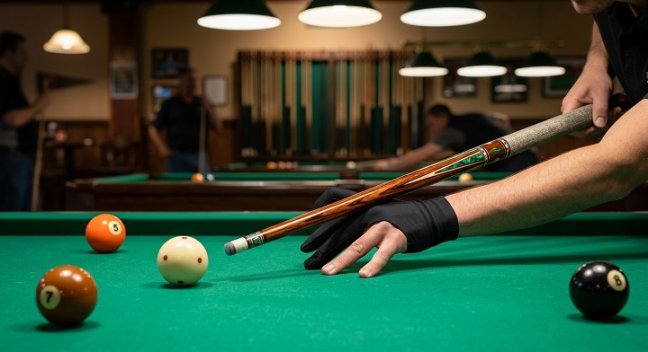
(see the generated image above)
This realistic depiction shows a professional cue stick’s polished shaft and leather-wrapped handle, highlighting premium craftsmanship.(see the generated image above)
Anatomy of a Cue Stick
Cue sticks consist of a shaft, joint, and butt. The shaft, often rock maple, ensures straightness and control; tips are leather for spin, ferrules plastic or ivory. Butts use exotic woods or composites for weight balance, with wraps like Irish linen for grip. Carbon fiber shafts reduce deflection, boosting accuracy.
Types of Cue Sticks
Pool cues differ by game: American pool uses thicker shafts (12-13mm tips) for larger balls; English pool thinner ones (8-9mm); snooker sturdier builds (9-10mm). Options include one-piece for simplicity, two-piece for portability, and low-deflection performance models.
Top Cue Sticks in 2026
Leading brands dominate with innovative designs. McDermott G-Series offers high-grade wood and lifetime warranties. Predator P3 features low-deflection tech for better spin control and energy transfer. Budget picks like Viper provide solid maple at entry prices; Cuetec excels in carbon fiber without low-end graphite pitfalls. Other notables: Meucci, Viking, Lucasi.
How to Choose the Right Cue Stick
Start with weight (18-21 oz) and length (58 inches standard); test balance by bridging over your hand. Prioritize low-deflection shafts for accuracy, leather tips for grip. Budgets: $100 for beginners (Action, Players), $200+ for inlays/low-deflection (Predator, OB). Consider materials—maple for tradition, carbon for modern play.
How to hold a cue stick
Follow these steps for the standard relaxed grip and open bridge, ideal for beginners.
1. Position your dominant hand on the butt:
Place your grip hand (right for right-handers) 4-6 inches from the cue’s butt end, over the wrap or balance point. Form a loose grip: Wrap thumb, index, and middle fingers around the cue—thumb under, fingers loose like holding a bird; avoid squeezing to allow free slide.
2. Set your bridge hand on the table:
Extend the non-dominant hand flat, spread fingers for stability, and raise knuckles slightly ahead of the cue ball.
3. Create an open bridge:
Form a V with thumb and index finger; rest the cue shaft in the groove, other fingers flat for support—adjust height for eye line.
4. Align stance and stroke:
Bend at the hips, eye over the cue ball, keep the cue level parallel to the table; stroke straight with pendulum arm motion.
5 Essential Cue Stick Maintenance Tips
Store in a protective case upright:
Always use a hard or soft case to shield from impacts, moisture, and warping; avoid leaning against walls or leaving in hot cars, as heat warps wood. Clean the shaft after every use: Wipe with a dry microfiber cloth to remove chalk dust, oils, and sweat; for deeper cleans, use a damp cloth followed by drying—never harsh chemicals.
Maintain the cue tip properly:
Scuff regularly for chalk grip, shape with 240-1200 grit sandpaper or a tip tool, and burnish edges to prevent mushrooming and ensure spin control.
Protect joints and apply conditioner:
Use joint protectors when disassembled to guard threads; lightly oil shafts every 2 years or as needed to prevent drying and cracking.
Avoid extreme environments:
Keep away from direct sunlight, humidity, or temperature swings that cause expansion, contraction, or damage—store in cool, dry places at room temperature.
Why Invest in a Quality Cue Stick?
Premium cue sticks enhance control, reduce cue ball deflection, and boost confidence, leading to better scores. With the market expanding (projected $3.05B by 2035), quality pays off for hobbyists and pros alike. Custom options allow personalization, from inlays to weights.
In summary, mastering “cue stick” selection unlocks billiards potential—research brands, test fits, and maintain diligently for peak performance.
Frequently Asked Questions (FAQs)
What is a cue stick used for?
A cue stick strikes the cue ball in pool, snooker, and billiards for precise shots.
What is the best cue stick for beginners?
Entry-level players or Schmelke at $100 offer value without advanced features.
How much does a good cue stick cost?
Basics start at $100; pros range from $200 to $1000+ for low-deflection models.
Can carbon fiber cue sticks replace wood?
Yes, they minimize deflection and vibration, popular among pros.
How do I maintain my cue stick tip?
Sand, shape, and scuff regularly for optimal spin and control.
About the Author