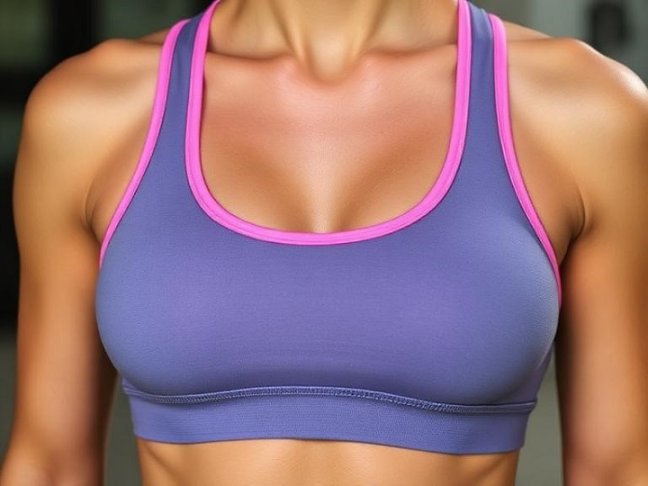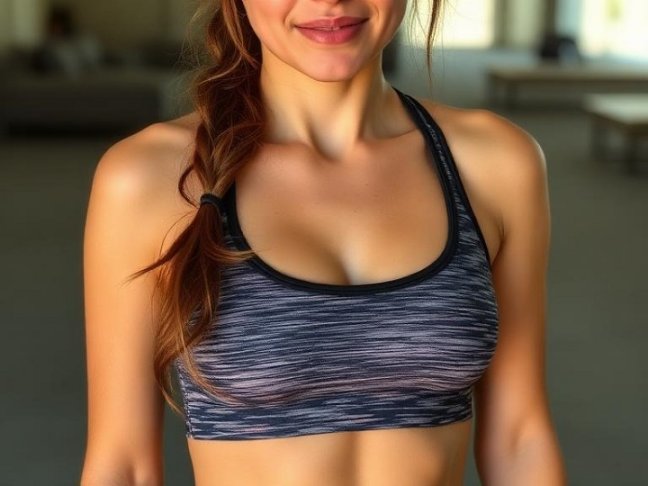
Sports bras have come a long way from basic compression bands worn strictly under baggy gym shirts. Today, they are a wardrobe staple — functional, fashionable, and versatile enough to take you from a morning run to a casual brunch without missing a beat. But wearing a sports bra well goes beyond simply pulling one on. It’s about finding the right fit, choosing the right style for your activity, layering it smartly, and feeling completely confident in your own skin.
Whether you’re new to sports bras or looking to upgrade How to Wear a Sports Bra, this guide covers everything you need to know.
Sports Bras for Girls: Comfort, Support, and Confidence in Every Move
Step One: Get the Fit Right First
Before anything else, fit is the non-negotiable foundation of wearing a sports bra well. A poorly fitted sports bra doesn’t just look off — it can cause discomfort, restrict breathing, and fail to provide the support your body actually needs during exercise.
How to measure yourself:
Start by measuring your band size — the circumference of your ribcage just below your bust. Then measure around the fullest part of your chest. The difference between these two numbers determines your cup size. Many sports bra brands also use simple S/M/L/XL sizing, so knowing your measurements helps you translate between sizing systems.
Signs you’re wearing the right size:
- The band sits horizontally across your back and doesn’t ride up during movement
- There is no spillage over the top, sides, or underarms
- Straps sit flat on your shoulders without digging in or slipping off
- You can take a full, deep breath without restriction
- When you jump, bend, or reach overhead, everything stays in place
Signs you need to resize:
- Red marks or indentations on your shoulders or ribcage after wear
- Constant need to adjust the bra during activity
- The band creeping up your back
- Feeling compressed to the point of shallow breathing
Getting sized professionally at a sports or lingerie store is worth the time, especially if you’ve never done it before or your body has changed recently.
Step Two: Match Your Sports Bra to Your Activity
One of the most common mistakes people make is treating all sports bras as interchangeable. They’re not. Different activities generate different levels of impact, and your sports bra should be chosen accordingly.
Low-impact activities — yoga, Pilates, walking, stretching, light cycling — call for light compression bras. These are typically seamless, soft, and comfortable enough to wear for long periods. They provide gentle support without the rigid structure needed for intense workouts.
Medium-impact activities — hiking, dance, weight training, casual cycling — require moderate support. Look for bras with a bit more structure, wider straps, and a snugger band. Combination bras that blend compression with light encapsulation work beautifully here.
High-impact activities — running, HIIT, basketball, volleyball, aerobics, gymnastics — demand maximum support. Encapsulation bras or high-support combination bras with reinforced bands, wider straps, and higher necklines are your best bet. These bras are engineered to minimize bounce and protect breast tissue through intense, multi-directional movement.
Wearing a low-impact bra to a high-intensity session is one of the fastest routes to discomfort and potential long-term tissue strain. Always match your support level to your sweat session.
Step Three: Put It On Correctly
This might sound obvious, but there’s a right way to put on a sports bra — particularly pull-over styles, which can be tricky.
For pull-over compression bras: Step into it from the bottom rather than pulling it over your head. This reduces neck and shoulder strain and makes it far easier to get into, especially with tighter compression styles. Once it’s around your waist, shimmy it upward, position each breast properly, and adjust the straps.
For clip or hook-back styles: Fasten the clasp at the loosest setting first, then adjust tighter as needed. This ensures the band will still have room to tighten as it stretches over time with washing and wear.
For racerback styles: Pull it over your head, insert your arms into the straps, and adjust the back clip (if there is one) to your preferred tightness. Make sure the back panel sits flat and the straps aren’t twisted.
Always do a quick movement check after putting any sports bra on — reach up, bend forward, do a few jumping jacks. If anything feels off in your living room, it’ll feel worse mid-workout.
Step Four: Wear It as an Outfit
Sports bras no longer live exclusively under other clothing. Wearing a sports bra as a top is a widely accepted, stylish choice for the gym, outdoor workouts, casual outings, and athleisure looks. Here’s how to pull it off with intention:
Pair it with high-waisted leggings or shorts. The high waist bridges the gap between the bra and the bottoms, creating a clean, flattering silhouette without exposing too much midriff if you prefer more coverage.
Layer it under a sheer or mesh top. A sheer long-sleeve or mesh tank over a bold-colored sports bra is one of the most versatile athleisure looks. It adds coverage and style without sacrificing the sporty aesthetic.
Add an open zip-up or oversized hoodie. Throwing a hoodie or zip-up jacket over a sports bra instantly transitions the look from gym-ready to street-casual. This combination works especially well for post-workout errands or café stops.
Wear it as a crop top alternative. For festivals, casual summer outings, or beach days, a supportive sports bra in a fun print or neutral tone can stand in beautifully for a regular crop top — with the added bonus of actual support.
Choose colors and prints with purpose. If you’re wearing your sports bra as outerwear, treat it the way you’d treat any top. Neutral tones (black, white, beige, olive) are endlessly versatile. Bold colors and prints make a statement. Tonal dressing — matching your bra to your leggings — creates a sleek, intentional look.
Step Five: Care for It Properly
How you wash and store a sports bra directly affects how long it supports you well. Heat and harsh detergents break down elastic fibers faster than anything else.
- Wash in cold water — always, whether by hand or machine
- Use a gentle or delicacy cycle and place it in a mesh laundry bag to prevent stretching and snagging
- Never put it in the dryer — heat destroys elasticity; air dry flat or hang to dry
- Avoid fabric softener — it coats moisture-wicking fibers and reduces their effectiveness
- Replace it regularly — a sports bra that has lost its elasticity isn’t doing its job, no matter how good it looks. Most sports bras last between 6 months and a year with regular use.
Final Thoughts
Wearing a sports bra well is about more than aesthetics — it’s about listening to your body, choosing gear that actually serves your needs, and showing up to every workout or casual moment feeling supported and comfortable. When you get the fit right, match it to your activity, put it on properly, and style it with confidence, a sports bra becomes one of the most empowering things in your wardrobe.
Invest in a few quality pieces, treat them well, and let them do what they’re designed to do: support you in every sense of the word.
About the Author